
Rose petals
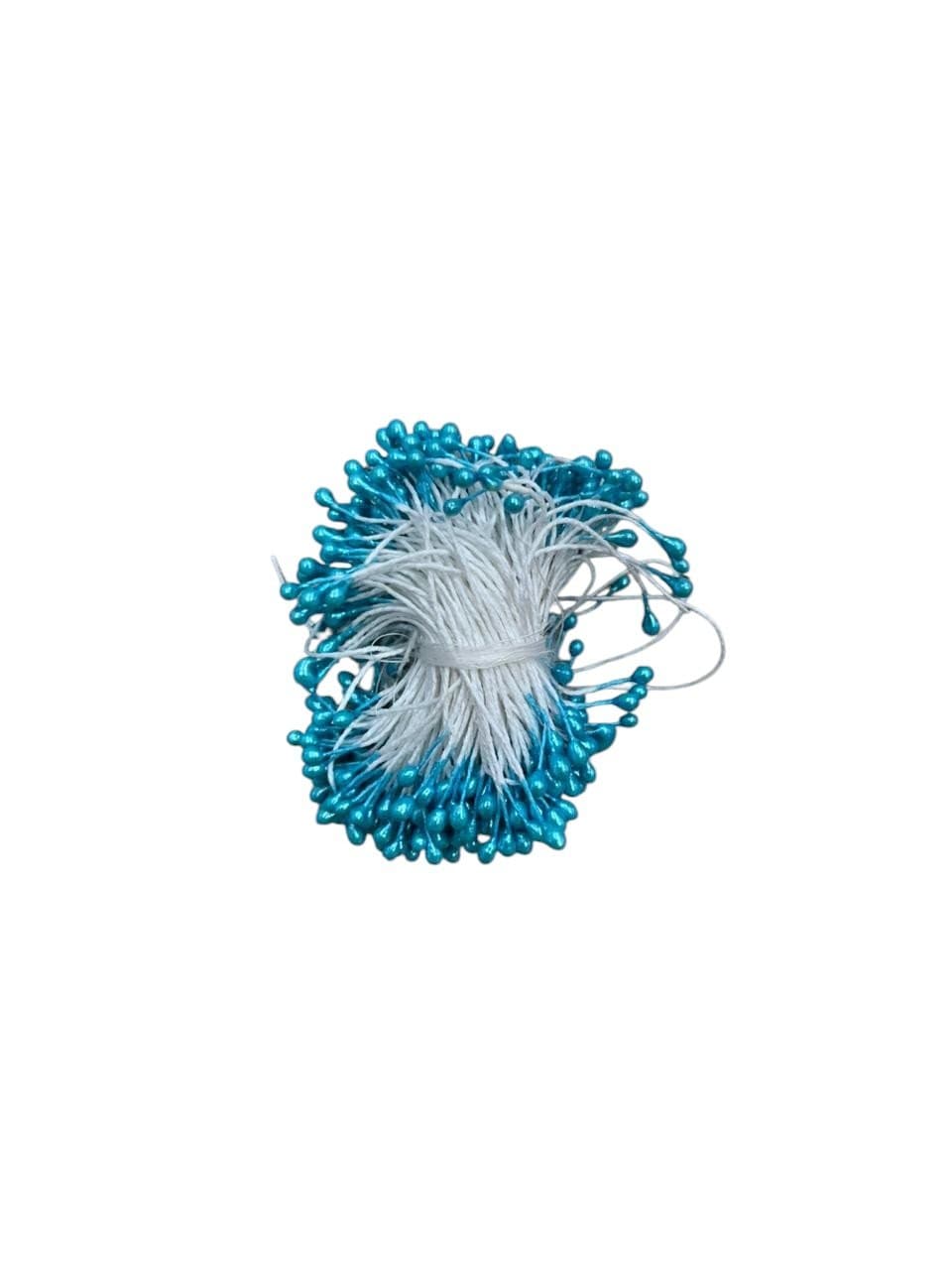
These pieces are mainly used in handicrafts and crafts, specifically when making flowers from paper, foam, or cloth, as they form the inner central part of the flower that mimics the shape of natural pollen. A single piece usually consists of a flexible wire or cotton thread covered with starch to give it consistency, ending with two pointed ends and painted with a colored material with an attractive pearly or metallic sheen, as shown in turquoise blue in the picture. These stigmas are collected in small packages to facilitate their use and distribution inside handmade flowers. They add a realistic and aesthetic touch that increases the vitality of artistic sculptures, hair collars and gift decoration. Number from 25 to 50 petals
Overview
These pieces are mainly used in handicrafts and crafts, specifically when making flowers from paper, foam, or cloth, as they form the inner central part of the flower that mimics the shape of natural pollen. A single piece usually consists of a flexible wire or cotton thread covered with starch to give it consistency, ending with two pointed ends and painted with a colored material with an attractive pearly or metallic sheen, as shown in turquoise blue in the picture. These stigmas are collected in small packages to facilitate their use and distribution inside handmade flowers. They add a realistic and aesthetic touch that increases the vitality of artistic sculptures, hair collars and gift decoration. Number from 25 to 50 petals
Key Features
- Adding a realistic touch: Handmade flowers give a natural and realistic look thanks to their design that resembles real pollen.
- High flexibility in shaping: Wire or cotton stems covered with starch allow easy cutting, bending, and fixing inside the flower using glue or wrapping.
- Versatility: It is not limited to making flowers only, but also includes decorating distributions, greeting cards, hair accessories (such as bridal collars), and wrapping luxury gifts.
Usage Method
- Handy